The Cūḷakammavibhaṅga Sutta: Understanding the Buddha's Teaching on the Workings of Karma
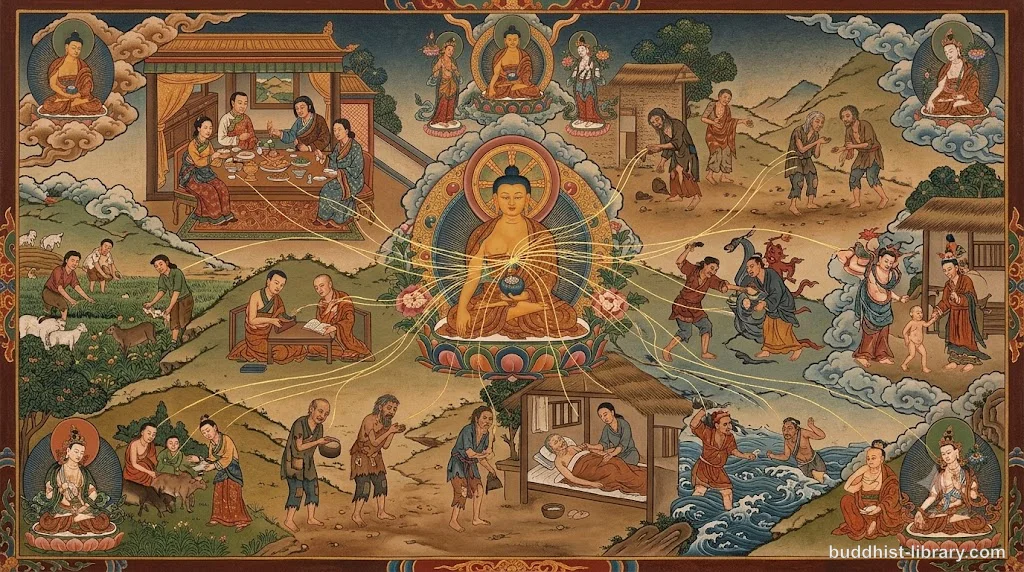
The Cūḷakammavibhaṅga Sutta explains why people born into the same world face such radically different lives—and what role our own actions play in creating those differences. According to the Buddha, karma isn’t fate or divine judgment but the natural consequence of intentional action. What we do, think, and say now shapes what we become.
The Question That Sparked the Teaching
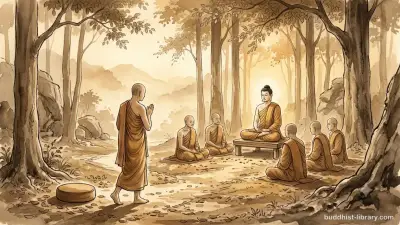
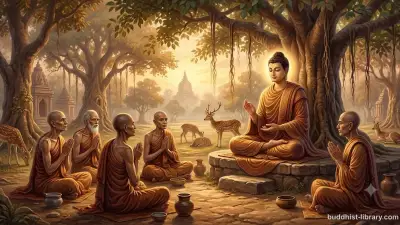
The discourse begins with a direct question from a young student, Subha, son of the brahmin Todeyya. He’s troubled by an obvious contradiction: if the Buddha is right that all beings are subject to the same natural laws, why is the human world so unequal?
Some people live long, healthy lives; others are sickly and die young. Some are beautiful; others are considered ugly. Some command respect wherever they go; others are ignored or scorned. Some are born into wealth and privilege; others into poverty and hardship. If we’re all governed by the same dhamma, where does this inequality come from?
The Buddha’s answer: beings are owners of their actions. Karma—intentional action—is what differentiates beings. We inherit the results of what we’ve done, and we create the conditions we’ll inherit in the future.
How Karma Creates Different Results
The Buddha doesn’t offer abstract philosophy. He gives Subha specific, testable correspondences between actions and their results. These aren’t arbitrary divine rules—they’re the natural consequences of cultivating certain mental patterns.
Harming vs. Non-Harming
Those who harm living beings — who kill, injure, or inflict suffering on others — tend toward short life and illness. The pattern of violence creates conditions for violence to return.
Those who abstain from harming — who protect life and cultivate compassion — tend toward long life and good health. The habit of care creates conditions for being cared for.
Anger vs. Patience
Those given to anger — who hold grudges, nurse resentment, and lash out at perceived slights — tend toward physical ugliness. The face hardens with chronic anger; the body carries the tension.
Those patient and gentle — who let go of irritation and respond with equanimity — tend toward physical beauty. A peaceful mind shows in the features.
Envy vs. Generosity
Those tormented by envy — who resent others’ success and withhold praise — tend toward insignificance. They become the kind of person others overlook.
Those who rejoice in others’ good fortune — who celebrate success rather than begrudge it — tend toward influence and respect. People are drawn to those who build others up.
Stinginess vs. Giving
Those who are stingy — who hoard resources and give reluctantly or not at all — tend toward poverty. The tight fist creates a tight life.
Those who give freely — who share food, shelter, and support — tend toward wealth and abundance. Generosity creates networks of reciprocity and trust.
Arrogance vs. Humility
Those who are arrogant — who refuse to honor those worthy of honor, who look down on teachers and elders — tend toward low birth in the next life. Pride isolates.
Those who are humble — who honor the worthy and learn from those with wisdom — tend toward high birth. Respect opens doors.
Refusing Wisdom vs. Seeking It
Those who never seek out wisdom — who avoid teachers, ignore the Dhamma, and refuse to investigate ethical questions — tend toward dullness and confusion.
Those who seek wisdom — who ask good questions, study the teachings, and cultivate discernment — tend toward wisdom and clarity.
This Isn’t Fatalism
You could misread this as deterministic: “Your current suffering is punishment for past bad karma, so just accept it.” That misses the point entirely.
Understanding karma empowers you. Past actions brought you here. What you do now determines where you go next. Your choices matter—that’s the whole point.
Someone born poor can still practice generosity with what little they have. Karmically, that matters more than a wealthy person’s thoughtless donation. Someone facing physical challenges can cultivate patience and compassion. Someone who has lived harmfully can stop right now, take precepts, and start building different momentum.
The Buddha’s path wouldn’t make sense if karma were fixed. The whole point of the Eightfold Path is that you can change your karmic trajectory through present intention and action.
Karma Is About Intention, Not Just Results
One of the most important points in Buddhist karma theory—emphasized throughout the suttas—is that karma is intention (cetanā). It’s not just what you do, but the mental state behind it.
Two people can perform the same physical action with entirely different karmic weight. A doctor amputating a gangrenous limb to save a life isn’t creating the same karma as someone cutting off a limb in anger. The external act is similar; the intention is opposite.
This means karma is trainable. You can’t always control external outcomes, but you can cultivate wholesome intentions. You can notice when greed, anger, or delusion are driving your choices—and choose differently.
The Role of Rebirth
The Cūḷakammavibhaṅga Sutta assumes rebirth: actions in past lives influence current conditions, and present actions influence future lives. This is traditional Buddhist cosmology, and for many modern practitioners, it’s a sticking point.
You don’t have to believe in literal rebirth to find the teaching useful. Even within a single lifetime, the patterns are observable:
- Habitual anger does make you less attractive to others and damages your health.
- Chronic envy does diminish your influence.
- Generosity does tend to create abundance (not always material, but relational and psychological).
- Seeking wisdom does make you wiser; refusing it does leave you confused.
The mechanisms may differ from the traditional explanation, but the practical advice remains sound: cultivate wholesome intentions, abandon unwholesome ones, and watch what happens.
If rebirth is real, you’re preparing well for the next life. If it’s metaphorical, you’re still living better in this one.
What This Means for Practice
Don’t Use Karma to Blame Victims
The Buddha never uses karma to justify indifference to suffering. When he encounters sick people, poor people, or people in pain, he helps them—he doesn’t lecture them about their past misdeeds.
Using karma as a weapon (“You must deserve this suffering because of past bad karma”) is a profound misunderstanding. The teaching is meant to inspire you to take responsibility for your actions, not to excuse cruelty or ignore injustice.
Take Responsibility for What You Can Control
You didn’t choose the conditions you were born into. But you do choose how you respond to them.
The Cūḷakammavibhaṅga Sutta isn’t about explaining why life is unfair; it’s about showing you the levers you can pull. You can’t rewrite yesterday, but you can write today—and today becomes tomorrow’s past.
Cultivate non-harming. Practice patience. Rejoice in others’ success. Give what you can. Honor those worthy of honor. Seek wisdom.
These aren’t just nice ideas. According to the Buddha, they are the precise causes of the conditions most people spend their lives wishing for: health, beauty, respect, abundance, favorable circumstances, and clarity of mind.
Investigate for Yourself
The Buddha tells Subha that you can verify these patterns through observation. Watch how anger affects your face, your relationships, your health. Notice what happens when you give freely versus when you hold back. Look at people who practice patience and compare them to those who nurse grudges.
The Buddha isn’t asking for blind faith. He’s saying: try it and see.
Key Takeaways
- Karma is intentional action, not fate or divine punishment.
- Different life conditions result from different patterns of action—harming vs. protecting, anger vs. patience, envy vs. generosity, stinginess vs. giving, arrogance vs. humility, avoiding vs. seeking wisdom.
- Past karma influences present conditions, but present karma determines future conditions. You are not a helpless victim of the past.
- Intention matters more than external results. Karma is about the mental state behind your actions.
- The teaching is meant to empower, not to blame. Use it to take responsibility for your choices, not to judge others’ suffering.
- You can test these patterns in daily life, regardless of your views on rebirth.
How to Work with This Teaching
Start with one correspondence that speaks to you.
Struggle with anger? Work on patience. Notice when irritation arises and let it dissolve instead of feeding it.
Prone to envy? Practice muditā—rejoicing in others’ success. When a colleague does well, celebrate it for real.
Stingy with money, time, or praise? Practice giving. Start small. Give gladly.
Ignoring the Dhamma? Seek it out. Read a sutta. Listen to a talk. Ask one good question.
Don’t expect immediate drama. Karma works over time, often quietly. But the Buddha’s claim is that these patterns are lawful. Cultivate wholesome intentions consistently, and the results show up.
Conclusion
The Cūḷakammavibhaṅga Sutta addresses a question everyone asks: “Why is life so unfair?” The Buddha’s answer? You have more control than you think.
You inherited certain conditions. But you’re not stuck with them. Every moment is a chance to create different karma, to shift course, to become someone other than who you’ve been.
What you do with that chance is yours to decide.
Read more:
- What Is Kamma-Vipāka? Understanding the Results of Karma in Buddhism — A deeper exploration of how karmic results ripen and the different types of karma in Buddhist psychology.
- Kusala and Akusala: Wholesome and Unwholesome Actions in Buddhism — The ethical framework behind karma: what makes an action wholesome or unwholesome, and how to cultivate the patterns that lead to genuine well-being.
- What Is Cetanā? Understanding Intention and Volition in Buddhism — Since karma is fundamentally about intention, understanding cetanā (volition) is essential for working skillfully with karmic patterns in daily life.
📖 Source / license: Cūḷakammavibhaṅga Sutta (MN 135), Bhikkhu Bodhi translation, The Middle Length Discourses of the Buddha
Frequently asked questions
What is the Cūḷakammavibhaṅga Sutta about?
The Cūḷakammavibhaṅga Sutta (MN 135) is the Buddha's teaching on how karma works—specifically, how our intentional actions create different results in this life and future lives. It explains why people experience such varied conditions: some are healthy while others are sick, some wealthy while others poor, some respected while others scorned.
Does the sutta say everything is determined by past karma?
No. The Buddha explicitly rejects fatalism. While karma influences our circumstances, the sutta emphasizes that present choices matter tremendously. Our current actions determine our future—we're not helpless victims of past karma. The path of practice allows anyone to overcome unwholesome patterns and cultivate wholesome ones, regardless of past conditions.
What are the specific karmic patterns the Buddha describes?
The Buddha outlines several clear correspondences: harming beings leads to short life and illness, while non-harming leads to long life and health; anger leads to ugliness, while patience leads to beauty; envy leads to insignificance, while generosity leads to influence; stinginess leads to poverty, while giving leads to wealth; arrogance leads to low birth, while humility leads to high birth; and failure to seek wisdom leads to dullness, while seeking wisdom leads to discernment.
Is this sutta compatible with modern science?
The sutta addresses questions science doesn't ask—questions about intention, ethical causality, and rebirth. Modern psychology supports some aspects: that habitual patterns of thought and behavior shape outcomes, that generosity correlates with well-being, and that anger damages health. The rebirth framework remains a matter of personal investigation. The practical teaching—that present choices shape future conditions—remains testable in daily life.