All Articles
Scriptures · Buddhist Studies · Practice

What Is Adhimokkha? Understanding Resolve in Buddhist Practice
Adhimokkha is the mental quality of resolve, decision, and conviction in Buddhism—the mind's ability to settle firmly on an object or understanding.

Buddhist Approach to Jealousy and Envy: Understanding and Transforming Issā
Learn how Buddhism addresses jealousy and envy (issā) through mindfulness, compassion, and the practice of muditā. Practical steps to transform these painful emotions.

The Vitakkasanthāna Sutta: Five Methods for Removing Distracting Thoughts
The Buddha's practical teaching on eliminating unwholesome thoughts during meditation through five sequential strategies — from substitution to forceful suppression.

What Is Bhāvanā? Understanding Mental Development in Buddhism
Bhāvanā means mental cultivation—the systematic training of the mind through meditation and ethical practice to develop wisdom and liberation.
What Is Nibbidā? Understanding Disenchantment in Buddhism
Nibbidā is disenchantment with conditioned existence—a crucial insight stage where you see through the allure of phenomena and move toward liberation.

Hiri and Ottappa: The Two Guardians of the World in Buddhist Ethics
Understanding the Buddhist qualities of moral shame and moral dread that protect both individuals and society from ethical collapse.
What Is a Sammā-Sambuddha? Understanding the Perfectly Enlightened Buddha
Explore the meaning of Sammā-Sambuddha in Buddhism—the perfectly self-enlightened Buddha who discovers the path independently and teaches it to the world.

Buddhist Approach to Patience (Khanti): Cultivating Endurance and Forbearance
Khanti—patience, forbearance, endurance—is one of Buddhism's ten perfections. Learn how the Buddha taught patience as a transformative practice, not passive acceptance.

Santuṭṭhi: The Buddhist Practice of Contentment and Simplicity
Explore santuṭṭhi, the Buddhist quality of contentment—not settling for less, but finding true satisfaction beyond material accumulation and endless craving.

Buddhist Approach to Difficult Decisions: Wise Reflection and Discernment
Learn how Buddhist teachings on wise attention, right view, and discernment can guide you through life's toughest choices with clarity and peace.

Buddhist Approach to Gratitude: Cultivating Appreciation and Contentment
Discover how Buddhism teaches gratitude as a transformative practice—reducing craving, cultivating joy, and recognizing interdependence through mindful appreciation.

Cittānupassanā: Contemplation of Mental States in Buddhist Meditation
Learn cittānupassanā — the third foundation of mindfulness in Buddhist meditation. Understand how observing mental states develops wisdom and freedom.

What Is Vicikicchā? Working with Doubt in Buddhist Practice
Vicikicchā is skeptical doubt that paralyzes practice. Learn how the Buddha addressed doubt, why it differs from healthy inquiry, and practical methods to work through it.

Buddhist Approach to Digital Distractions: Mindfulness in the Age of Technology
Learn how classical Buddhist teachings on sense restraint and mindfulness offer practical wisdom for managing digital distractions in modern life.

Contemplating Consciousness (Viññāṇa): Awareness of Awareness in Buddhist Meditation
Learn how to practice consciousness contemplation in Buddhist meditation—the fourth foundation of mindfulness that reveals the changing nature of awareness itself.

Working with Pain in Meditation: Buddhist Approaches to Physical Discomfort
Learn how to work skillfully with physical pain during meditation using traditional Buddhist techniques from the suttas and experienced teachers.

What Is Saṃvara? The Practice of Sense Restraint in Buddhism
Saṃvara is sense restraint—guarding the six sense doors to prevent unwholesome mental states. Learn how this essential practice protects the mind and supports meditation.

The Sallatha Sutta: The Buddha on the Two Arrows of Suffering
The Sallatha Sutta teaches how we experience physical pain (first arrow) and mental suffering we add through reaction (second arrow). Learn to stop shooting yourself.

Buddhist Approach to Loneliness and Solitude: From Isolation to Inner Peace
Learn how Buddhism distinguishes between painful loneliness and fruitful solitude, with practical meditation techniques to transform isolation into awakening.

The Four Stages of Awakening in Theravada Buddhism
Explore the progressive path to enlightenment through the four stages of awakening—from stream-entry to full liberation as an arahat.

What Is Dhātu? The Four Elements in Buddhist Meditation
Explore the four elements (dhātu) in Buddhism—earth, water, fire, and air—and how contemplating them reveals the nature of the body and mind.

What Is the Difference Between Samatha and Vipassanā Meditation?
Understand the key differences between samatha (calm) and vipassanā (insight) meditation in Buddhist practice and when to use each method.

The Ratana Sutta: Understanding the Discourse on the Triple Gem
The Ratana Sutta celebrates the Buddha, Dhamma, and Saṅgha's precious qualities. Discover this protective discourse's meaning, traditional uses, and practical application in Buddhist devotion.

What Is Adhiṭṭhāna? Determination and Resolution in Buddhist Practice
Adhiṭṭhāna is the quality of firm determination and unwavering resolve on the Buddhist path. Learn how to cultivate this essential practice.

The Unity of Samatha and Vipassanā: Why Both Are Essential
Samatha and vipassanā are not competing paths but complementary practices—calm steadies the mind, insight liberates it. Discover how they work together in Buddhist meditation.

The Rathavinīta Sutta: The Relay Chariots Simile on the Buddhist Path
The Rathavinīta Sutta uses the simile of relay chariots to explain how Buddhist practice progresses through seven stages of purification to reach nibbāna.

The Six Elements in Buddhism: Understanding Dhātu Meditation
Discover the six elements meditation from the Buddha's Dhātuvibhaṅga Sutta — a profound practice of deconstructing the illusion of self through earth, water, fire, air, space, and consciousness.

The Upajjhatthana Sutta: The Five Daily Remembrances
Explore the Buddha's teaching on the five subjects for daily reflection—aging, sickness, death, separation, and karma—and their transformative power.

What Is Cetanā? Understanding Intention and Volition in Buddhism
Explore cetanā, the mental factor of intention that shapes karma and drives action. Learn how volition determines moral weight and liberation in Buddhist practice.

What Is Kalyāṇamitta? Understanding Spiritual Friendship in Buddhism
Discover kalyāṇamitta — spiritual friendship in Buddhism. Learn why the Buddha called good companionship 'the whole of the holy life' and how it supports awakening.

Buddhist Approach to Fear and Uncertainty: Finding Courage in the Unknown
Learn how Buddhist teachings help us face fear and uncertainty through mindfulness, wise attention, and understanding the nature of change and groundlessness.

Dhamma-Vicaya: Investigation of Phenomena in Buddhist Practice
Learn dhamma-vicaya (investigation of phenomena), the second factor of enlightenment in Buddhism, and how to develop discernment through direct inquiry.

The Girimānanda Sutta: Ten Perceptions for Healing and Liberation
The Buddha taught ten powerful perceptions to heal the gravely ill monk Girimānanda. Discover how these meditation practices lead to both physical recovery and spiritual awakening.

The Four Elements Meditation: Contemplating Earth, Water, Fire, and Air
Dhātu Manasikāra is a classical Buddhist meditation that deconstructs the body into earth, water, fire, and air elements to realize non-self and loosen identification.

Asubha Meditation: Contemplation of the Body in Buddhist Practice
Asubha meditation is a traditional Buddhist practice that contemplates the unattractive aspects of the body to reduce attachment, lust, and clinging. Learn how this ancient technique works.

What Is Cetanā? Understanding Intention in Buddhist Karma
Cetanā (intention) is the mental factor that determines the ethical quality of actions and drives karma. Learn why the Buddha called it the key to karmic results.

What Is Mettā Bhāvanā? The Systematic Development of Loving-Kindness
Explore the structured Buddhist practice of mettā bhāvanā — the systematic cultivation of loving-kindness through five stages of meditation.

What Is Sakadāgāmī? The Second Stage of Buddhist Awakening
Sakadāgāmī—the Once-Returner—marks the second stage of awakening. Learn what fetters are abandoned, what remains, and why this stage promises one final rebirth.

Working with Sleepiness and Dullness in Meditation: Buddhist Solutions
Learn how to overcome drowsiness and mental fog in meditation using traditional Buddhist methods from the Pali Canon and practical advice.

The Kakacūpama Sutta: The Simile of the Saw on Patience and Forbearance
The Buddha's radical teaching on patience—even if bandits cut you with a saw, respond with loving-kindness, not hatred.

The Twelve Links of Dependent Origination: Understanding the Chain of Causation
Explore the twelve nidānas—Buddhism's profound map of how ignorance creates suffering and how breaking the chain leads to liberation.

What Is Bodhi? Understanding Awakening and Enlightenment in Buddhism
Bodhi means awakening—the direct realization that ends suffering. Explore the Buddha's enlightenment, the three types of bodhi, and what awakening actually means.

Nirodha: Understanding Cessation — The Third Noble Truth
Explore nirodha, the Third Noble Truth of cessation. Learn what the Buddha taught about ending suffering and the path to liberation in Buddhism.

The Rāhula Suttas: The Buddha's Teachings to His Son
Discover the Buddha's special dharma instructions to his son Rāhula — foundational teachings on truthfulness, mindfulness of breathing, and insight into the aggregates.

What Is Appamāda? Heedfulness and Diligence in Buddhism
Explore appamāda — the Buddha's final teaching on heedfulness, diligence, and spiritual urgency. Discover how this practice transforms every moment.
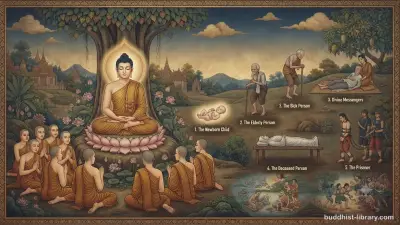
The Devadūta Sutta: The Buddha's Teaching on Divine Messengers
The Devadūta Sutta presents old age, sickness, and death as divine messengers—warnings urging us toward wise action before it's too late.

What Is Saddhā? Understanding Faith in Buddhism
Explore saddhā—Buddhist faith rooted in verified confidence, not blind belief. Learn how trust in the Buddha's teaching develops into personal wisdom.

What Is Sakkāya-diṭṭhi? Understanding Personality View in Buddhism
Sakkāya-diṭṭhi (personality view) is the deeply rooted belief that the five aggregates constitute a permanent self. Learn how this view binds beings to suffering and how it's overcome at stream entry.

Buddhist Approach to Loneliness and Isolation: Understanding Connection Beyond Separation
Explore how Buddhist teachings address loneliness and social isolation through mindfulness, compassion practices, and understanding the nature of connection.
What Is Saññā? Understanding Perception in Buddhism
Saññā (perception) is how we recognize and interpret experience—and how it can trap us in delusion. Learn what the Buddha taught about this crucial aggregate.

What Is Virāga? Understanding Dispassion in Buddhism
Virāga means dispassion—the fading away of attachment and craving. Learn how this essential quality leads to liberation in Buddhist practice.

What Is Viriya? Spiritual Energy and Effort in Buddhism
Discover viriya, the spiritual energy that powers Buddhist practice—how to cultivate right effort, avoid burnout, and sustain momentum on the path to awakening.
The Bhaddekaratta Sutta: The Buddha's Teaching on Living in the Present Moment
Discover the Bhaddekaratta Sutta's profound teaching on mindfulness of the present, letting go of past and future, and finding freedom right now.

Buddhist Teachings on Relationships: Wise Love and Connection
How Buddhist principles guide healthy relationships through mettā, right speech, non-attachment, and compassion in romantic, family, and friendship bonds.

Nekkhamma: Renunciation in Buddhist Practice
Understand nekkhamma—renunciation—in Buddhism. Not about fleeing life, but about freedom from attachments that bind us to suffering.

Samatha Meditation: Calm Abiding Practice in Buddhism
Learn samatha meditation—the Buddhist practice of calm abiding. Discover how concentration training builds mental clarity and peace.

Buddhist Approach to Grief and Loss: Working with Bereavement Mindfully
How Buddhist teachings on impermanence, compassion, and mindfulness offer practical guidance for working with grief, loss, and bereavement.

Buddhist Meditation Posture: Finding Stability and Ease in Sitting Practice
Master Buddhist meditation posture with this complete guide to sitting positions, postural alignment, and working with discomfort mindfully.

The Four Iddhipādas: Bases of Spiritual Power in Buddhism
Discover the Four Iddhipādas—desire, energy, mind, and investigation—the Buddha's teaching on developing spiritual power through balanced mental cultivation.

What Is Passaddhi? Understanding Tranquility in Buddhist Meditation
Passaddhi, or tranquility, is the calming of mental and physical agitation. Discover how this essential meditation factor develops and supports deeper concentration and insight.

What Is Avijjā? The Root of Suffering in Buddhism
Avijjā (ignorance) is the fundamental delusion that drives suffering in Buddhism. Discover what it means, how it works, and how wisdom overcomes it.
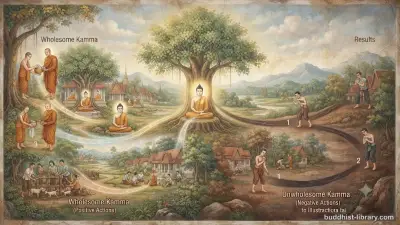
What Is Kamma-Vipāka? Understanding the Results of Karma in Buddhism
Explore kamma-vipāka—the ripening of karma—and how actions from the past shape present experiences in Buddhist teaching.

What Is Saṃvega? Spiritual Urgency in Buddhism
Saṃvega is the spiritual urgency born from recognizing life's fragility—a powerful motivator on the Buddhist path distinct from fear or anxiety.

Working with Doubt (Vicikicchā) in Buddhist Practice: A Practical Guide
Learn how to work with doubt and skeptical paralysis in Buddhist meditation. Discover the difference between healthy investigation and harmful uncertainty.
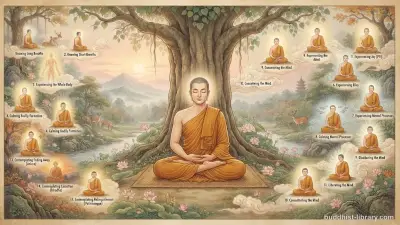
The Ānāpānasati Sixteen Steps: A Complete Practice Guide
Master all sixteen contemplations of mindfulness of breathing taught by the Buddha—a systematic meditation framework integrating body, feelings, mind, and wisdom.

Buddhist Approach to Anger: Working with Difficult Emotions
Learn practical Buddhist methods for working with anger—not suppressing or acting out, but understanding its roots and transforming it through mindfulness and wisdom.
The Sammādiṭṭhi Sutta: The Buddha's Teaching on Right View
The Sammādiṭṭhi Sutta (MN 9) presents the Buddha's most comprehensive teaching on Right View through sixteen aspects of understanding reality.

Avijjā: Understanding Ignorance as the Root of Suffering in Buddhism
Explore avijjā (ignorance) in Buddhism—the first link in dependent origination and the root cause of all suffering. Learn how ignorance operates and how to overcome it.

Buddhist Approach to Anxiety and Worry: Working with Mental Restlessness
Discover how Buddhist teachings address anxiety through mindfulness, investigation, and letting go. Practical tools from early Buddhism for modern mental restlessness.

The Itivuttaka: The Buddha's 'Thus Said' Teachings Explained
Explore the Itivuttaka, a collection of 112 short discourses where the Buddha delivers profound teachings on meditation, ethics, and liberation.

What Is Citta? Understanding Mind and Consciousness in Buddhism
Citta is the Pali term for mind or consciousness in Buddhism—the knowing quality that experiences all mental and physical phenomena.

How to Practice Forgiveness in Buddhism: Letting Go of Resentment
Learn the Buddha's practical teachings on forgiveness through loving-kindness, patience, and the Simile of the Saw. Transform resentment into peace.

Animitta: The Signless Meditation in Buddhism
Explore animitta, the signless meditation that leads to liberation by releasing attachment to mental signs and conceptual formations in Buddhist practice.

How to Do a Personal Buddhist Meditation Retreat: A Practical Guide
Learn how to plan and conduct your own Buddhist meditation retreat at home or in solitude. Practical guidance from traditional sources.

What Is Pīti and Sukha? Understanding Joy and Happiness in Buddhist Meditation
Pīti (rapture) and sukha (happiness) are key meditation factors that arise with deepening concentration. Learn what they are, how to recognize them, and their role in jhāna practice.

What Are Jātaka Tales? The Buddha's Past-Life Stories
Jātaka tales recount the Buddha's past lives across hundreds of births. Discover their meaning, purpose, and enduring wisdom in Buddhist literature.

Buddhist Daily Routine: How Monks and Laypeople Structure Their Day
Discover how Buddhist monks structure their day around meditation, alms rounds, and study—and how laypeople can adapt these practices to modern life.

The Four Nutriments (Āhāra): What Sustains Existence in Buddhism
The Buddha identified four nutriments that sustain life and suffering. Understanding them reveals how to cut off the fuel that keeps us bound to saṃsāra.

What Is Yoniso Manasikāra? Wise Attention in Buddhist Meditation
Discover yoniso manasikāra, the Buddha's teaching on wise attention—a transformative mental skill that shapes how you perceive experience and cultivate insight.

Buddhist Chanting and Paritta: Protective Verses in Practice
Learn about Buddhist chanting and paritta—protective verses recited for blessing, protection, and mindfulness in Theravāda tradition.

What Is Kusala and Akusala? Wholesome and Unwholesome Actions in Buddhism
Kusala and akusala are the Buddhist terms for wholesome and unwholesome mental states and actions. Understanding them is key to ethical development and liberation.

The Six Recollections (Anussati): Buddhist Meditation for Inspiration
Discover the Six Recollections in Buddhism—traditional meditation practices that inspire confidence, joy, and wisdom on the path to awakening.

What Is Dhamma? The Buddha's Teaching and Universal Truth
Dhamma means both the Buddha's teaching and the universal law of nature. Explore the two meanings, their relationship, and why understanding Dhamma is essential.

What Is Papañca? Understanding Mental Proliferation in Buddhism
Papañca is the mind's tendency to spin elaborate conceptual narratives from simple experiences. Learn how this Buddhist concept explains mental suffering.

Buddhānussati: Recollection of the Buddha in Meditation Practice
Discover Buddhānussati, the Buddhist meditation practice of recollecting the Buddha's qualities. Learn how to develop faith, inspiration, and calm through this powerful contemplation.

The Four Protective Meditations: Practices for Safety and Liberation
Discover the four traditional Buddhist protective meditations—loving-kindness, body contemplation, death awareness, and Buddha recollection—and how they guard the mind.

Mindful Eating in Buddhism: The Practice of Taking Food with Awareness
Discover how Buddhist monks and practitioners transform eating into meditation. Learn the ancient practice of mindful eating from the Pali Canon.

What Is Puñña (Merit) in Buddhism? Understanding Wholesome Actions and Their Results
Explore puñña (merit) in Buddhist teaching—how wholesome actions create beneficial results, support spiritual progress, and shape future conditions.

What Are Uposatha Days? Buddhist Observance Practice and Meaning
Learn about Uposatha days in Buddhism—sacred observance days for deepening practice through precepts, meditation, and Dhamma study.

What Is Muditā? Sympathetic Joy in Buddhism
Muditā is the Buddhist practice of rejoicing in others' success and happiness. Learn how sympathetic joy counteracts envy and cultivates genuine goodwill.

The Gradual Training in Buddhism: The Buddha's Step-by-Step Path
Discover the Anupubbasikkhā — the Buddha's step-by-step training path from ethical foundation through concentration to liberating wisdom.

The Mahāparinibbāna Sutta: The Buddha's Final Teaching and Passing
The Mahāparinibbāna Sutta chronicles the Buddha's last journey, final teachings, and passing into Parinibbāna — offering profound lessons on impermanence and self-reliance.

The Parable of the Poisoned Arrow: Why the Buddha Rejected Metaphysical Speculation
The Cūḷamāluṅkya Sutta teaches why the Buddha refused to answer speculative questions and focused on what actually ends suffering.

The Sabbāsava Sutta: The Buddha's Discourse on Eliminating Mental Taints
Explore the Buddha's systematic teaching on the seven methods for abandoning āsavas—the deep mental taints that perpetuate suffering and rebirth.

The Brahmajāla Sutta: The All-Embracing Net of Views Explained
The Buddha's systematic deconstruction of 62 philosophical views in the Brahmajāla Sutta—the first discourse of the Dīgha Nikāya and a masterwork of early Buddhist thought.

The Five Spiritual Powers (Bala): From Faculties to Unshakable Strength
Discover the Five Spiritual Powers in Buddhism—faith, energy, mindfulness, concentration, and wisdom—that emerge when the faculties mature into unshakable forces.

The Mahāsatipaṭṭhāna Sutta: The Great Discourse on Mindfulness
The Buddha's most detailed teaching on mindfulness practice—DN 22's four foundations explained with practical guidance for meditation.

The Alagaddūpama Sutta: The Snake Simile and Right Understanding
The Snake Simile Sutta teaches how misunderstanding the Dharma is like grasping a snake wrongly—harmful instead of liberating. Learn the Buddha's warning about wrong views.

The Karaṇīya Metta Sutta: Complete Text and Commentary
Full Pāli text, English translation, and practical commentary on the Buddha's most beloved discourse on loving-kindness—a guide to radiating mettā in daily life.

What Is Taṇhā? Understanding Craving in Buddhism
Explore taṇhā (craving) in Buddhism—the root cause of suffering identified in the Four Noble Truths and how to overcome it through mindful practice.
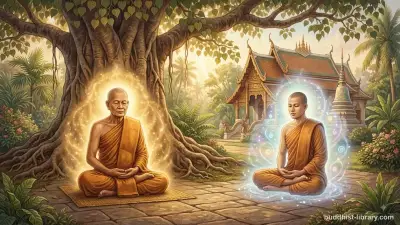
Samatha and Vipassanā: The Two Wings of Buddhist Meditation
Understand the relationship between samatha (calm) and vipassanā (insight) meditation — the two complementary practices that lead to Buddhist awakening.

The Six Realms of Existence: Understanding Buddhist Cosmology
Explore the six realms in Buddhism—from celestial devas to hell beings—as both cosmological reality and psychological metaphor for understanding suffering and liberation.

The Three Trainings in Buddhism: Sīla, Samādhi, and Paññā
The Buddha's systematic path to liberation: ethical conduct, mental concentration, and penetrative wisdom—three essential trainings for awakening.

What Is an Arahat? Understanding Full Enlightenment in Early Buddhism
Explore the Arahat—the fully enlightened being in Buddhism—who has eradicated all defilements and attained liberation. Learn the path and characteristics.

Maraṇasati: Death Awareness Meditation in Buddhism
Learn how Maraṇasati, the Buddhist practice of death awareness meditation, transforms fear into wisdom and brings urgency to spiritual practice.

What Is Paññā? Understanding Wisdom in Buddhism
Discover Paññā—the transformative wisdom that sees reality clearly, breaks through delusion, and leads to liberation in Buddhist practice.

What Is Stream Entry (Sotāpanna)? The First Stage of Buddhist Awakening
Stream entry marks the first irreversible step toward enlightenment in Buddhism—discover what it means, how it's attained, and what changes afterward.

Saṅkhāra: Understanding Mental Formations and Conditioning
Explore saṅkhāra in Buddhism—the mental formations that shape our experience, drive karma, and condition rebirth. Learn how to recognize and transform them.
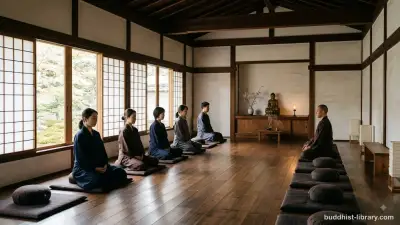
Sīla: Understanding Moral Discipline in Buddhist Practice
Explore sīla—the foundation of Buddhist practice. Learn how ethical conduct purifies the mind, supports meditation, and leads to liberation.

What Is the Tathāgata? Understanding the Buddha's Self-Reference
Explore the meaning of Tathāgata, the term the Buddha used to refer to himself, and what it reveals about awakening and the nature of reality.

The Ten Fetters (Saṃyojana): Stages of Liberation in Buddhism
What are the ten fetters that bind us to suffering? Explore the Buddhist path to freedom through understanding and abandoning these mental chains.

Equanimity (Upekkhā): The Practice of Balanced Mind in Buddhism
Explore upekkhā, the Buddhist practice of equanimity—a quality of mind that remains balanced and composed amid life's changing conditions.

The Udāna: The Buddha's Inspired Utterances
Explore the Udāna, a Pali Canon collection of 80 suttas featuring the Buddha's spontaneous utterances of joy and realization at profound moments.

What Is Vedanā? Understanding Feeling in Buddhist Meditation
Vedanā—feeling-tone—is a crucial link in how suffering arises. Learn what it is, why the Buddha emphasized it, and how to work with it in meditation.

Dāna: The Practice and Power of Generosity in Buddhism
Explore dāna, the Buddhist practice of generosity—its types, benefits, and role in spiritual development. Learn how giving transforms both giver and receiver.

The Five Spiritual Faculties (Indriya): Faith, Energy, Mindfulness, Concentration, Wisdom
Discover the five spiritual faculties in Buddhism — faith, energy, mindfulness, concentration, and wisdom — and how they work together to transform the mind.

Karuṇā: Cultivating Compassion in Buddhist Practice
Discover karuṇā (compassion) in Buddhism — how it differs from loving-kindness, its practice methods, and why it's essential for awakening.

What Is Kāyagatāsati? Body Contemplation in Buddhist Meditation
Kāyagatāsati—mindfulness immersed in the body—is a powerful Buddhist meditation practice grounded in the Pali Canon. Learn its methods and benefits.

The Three Poisons: Greed, Hatred, and Delusion in Buddhism
Understand the three poisons—greed, hatred, and delusion—the root causes of suffering in Buddhism and how to overcome them through practice.

The Metta Sutta: The Buddha's Discourse on Loving-Kindness
The Metta Sutta teaches how to cultivate boundless loving-kindness toward all beings. Discover the Buddha's timeless instructions for radiating goodwill.

Right Mindfulness (Sammā Sati): The Seventh Factor of the Noble Path
Right Mindfulness is clear, non-judgmental awareness of present experience—the practice that unifies the entire Buddhist path toward liberation.

The Sigālovāda Sutta: The Buddha's Code of Ethics for Laypeople
Discover the Buddha's comprehensive guide to ethical living for householders, covering six key relationships and practical duties in daily life.

The Six Sense Bases (Saḷāyatana): Understanding Perception in Buddhism
How the Buddha's teaching on the six sense bases reveals the process of perception and offers a path to freedom from suffering.

Upādāna: Understanding the Four Types of Clinging in Buddhism
Explore the four types of clinging (upādāna) in Buddhism — sensual desire, views, rites and rituals, and self-doctrine — and how they perpetuate suffering.

The Ten Perfections (Pārami): Qualities to Cultivate on the Path
Explore the Ten Perfections (Pārami) in Buddhism—essential virtues that transform ordinary life into the path to awakening, grounded in canonical texts.

The Anattālakkhaṇa Sutta: The Buddha's Second Sermon on Non-Self
The Buddha's second sermon after enlightenment, teaching the five aggregates as not-self. A foundational scripture explaining anattā through direct analysis.

The Fire Sermon: The Buddha's Teaching on Burning and Liberation
The Ādittapariyāya Sutta, or Fire Sermon, uses fire as a powerful metaphor for craving. Discover how the Buddha taught 1,000 fire-worshippers to see liberation.

The Maṅgala Sutta: The Buddha's Teaching on True Blessings
Discover the 38 blessings taught by the Buddha in the Maṅgala Sutta—a practical guide to living wisely, cultivating virtue, and finding genuine happiness.

Right Intention (Sammā Saṅkappa): The Second Factor of the Noble Eightfold Path
Discover Right Intention in Buddhism—the mental compass directing wholesome action through renunciation, goodwill, and harmlessness.

The Seven Factors of Enlightenment: Cultivating the Bojjhaṅgas
Explore the Seven Factors of Enlightenment in Buddhism — mindfulness, investigation, energy, joy, tranquility, concentration, and equanimity — and how to develop them.

Walking Meditation (Caṅkama): Buddhist Practice in Motion
Discover caṅkama, the Buddha's walking meditation practice. Learn the traditional method, benefits, and how to integrate mindful walking into your daily life.

What Is Saṃsāra? The Wheel of Rebirth in Buddhism
Explore the Buddhist concept of saṃsāra—the cycle of birth, death, and rebirth driven by karma and craving. Learn how it works and how to escape it.

What Is the Saṅgha? The Buddhist Community and Its Role
The Saṅgha is the Buddhist community of ordained monks and nuns, and in a broader sense, all followers of the Dharma. Discover its purpose and meaning.

The Ānāpānasati Sutta: The Buddha's Teaching on Mindfulness of Breathing
Explore the Ānāpānasati Sutta, the Buddha's complete meditation instruction on mindfulness of breathing—sixteen contemplations leading to awakening.

The First Sermon: The Dhammacakkappavattana Sutta Explained
The Buddha's first teaching at Deer Park — the Four Noble Truths, the Middle Way, and the discourse that set the Wheel of Dhamma in motion.

The Five Hindrances (Nīvaraṇa): Overcoming Obstacles to Meditation
Understand the five hindrances in Buddhism — desire, aversion, sloth, restlessness, and doubt — and learn practical methods to overcome these obstacles to meditation and awakening.

What Is the Pali Canon (Tipiṭaka)? Structure and Contents of Early Buddhist Scriptures
Discover the Pali Canon—the oldest complete collection of the Buddha's teachings. Learn the structure of the Tipiṭaka, its three baskets, and how to navigate early Buddhist scriptures.

Right Action (Sammā Kammanta): Buddhist Ethics in Body and Deed
Learn what Right Action means in Buddhism, how it differs from Right Livelihood, and practical ways to embody ethical conduct through body and deed on the Noble Path.

The Three Refuges (Tisaraṇa): Taking Refuge in Buddha, Dhamma, Sangha
The Three Refuges — Buddha, Dhamma, Sangha — are the foundation of Buddhist practice. Learn what taking refuge means and how it shapes the path.

Vipassanā: Insight Meditation Practice in Buddhism
Learn vipassanā meditation — the Buddhist practice of direct insight into impermanence, suffering, and non-self that leads to liberation.

Right Effort (Sammā Vāyāma): The Four Right Exertions in Buddhism
Right Effort means actively preventing and abandoning unwholesome states while cultivating and maintaining wholesome ones—the Four Right Exertions that power the path.

The Kālāma Sutta: The Buddha on Independent Inquiry
The Kālāma Sutta teaches critical thinking in Buddhism—test teachings through direct experience, not blind faith. A guide to wise discernment.

Right Concentration (Sammā Samādhi): The Eighth Factor of the Noble Path
Right Concentration is the culmination of the Noble Eightfold Path. Learn what sammā samādhi means, how it differs from wrong concentration, and how to develop it through the jhānas.

Right Livelihood (Sammā Ājīva): Buddhist Ethics in Work and Profession
Discover how Right Livelihood guides ethical work in Buddhism—from avoiding harm to earning with integrity, wisdom, and compassion.

What Is Dukkha? Understanding Suffering in Buddhism
Dukkha means more than suffering—it includes dissatisfaction, stress, and the unsatisfactory nature of all conditioned existence. Learn what the Buddha really taught.

The Four Brahmavihāras: Cultivating the Divine Abodes
Discover the Four Brahmavihāras—loving-kindness, compassion, empathetic joy, and equanimity—and learn how these sublime mental states transform both meditation and daily life.

The Middle Way in Buddhism: Walking Between Extremes
The Middle Way is the Buddha's rejection of extremes — neither self-indulgence nor self-torture. Learn what it means and how it guides Buddhist practice today.

Right Speech (Sammā Vācā): The Power of Wise Communication in Buddhism
Right Speech is abstaining from lying, divisive speech, harsh words, and idle chatter. Learn how the Buddha's teachings on speech transform relationships and cultivate wisdom.

Right View (Sammā Diṭṭhi): The Foundation of the Buddhist Path
Right View is the first factor of the Noble Eightfold Path and the foundation for all Buddhist practice. Learn what the Buddha taught about seeing reality clearly.

The Five Aggregates (Khandhas): What We Mistake for 'Self'
Understand the Five Aggregates (khandhas) in Buddhism—the building blocks of experience that we wrongly identify as a permanent self.
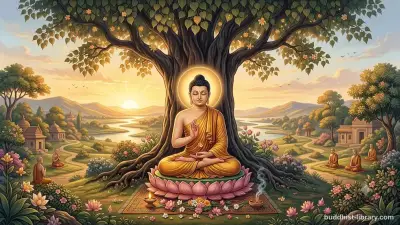
The Life of the Buddha: From Prince Siddhārtha to Awakening
Explore the remarkable journey of Prince Siddhārtha Gotama from sheltered royal life to spiritual awakening, discovering the path that changed world history.

The Satipaṭṭhāna Sutta: Foundations of Mindfulness Explained
Discover the Buddha's complete teaching on the four foundations of mindfulness from the Satipaṭṭhāna Sutta—body, feelings, mind, and mental qualities.

What Are the Jhānas? Understanding Meditative Absorption in Buddhism
Explore the jhānas—progressive states of meditative absorption. Learn their characteristics, how to develop them, and their role in insight and awakening.

What Is Samādhi? Understanding Concentration in Buddhist Meditation
Samādhi is concentrated attention that unifies mind and object. Learn how this eighth factor of the Noble Eightfold Path develops from mindfulness to absorption.

The Five Precepts: Buddhist Ethics in Daily Life
Discover the Five Precepts, Buddhism's ethical foundation for laypeople. Learn what each precept means, why they matter, and how to practice them today.

Karma and Rebirth in Buddhism: How They Actually Work
Learn the Buddha's teaching on karma and rebirth—how intentional actions shape future experiences and why understanding this transforms practice.

The Heart Sutra Explained: Emptiness and the Prajñāpāramitā
A clear explanation of the Heart Sutra, one of Buddhism's most famous texts — what emptiness really means, why form is emptiness, and how this insight leads to liberation.

The Three Marks of Existence: Understanding Reality in Buddhism
Explore the Three Marks of Existence (Tilakkhaṇa) — impermanence, suffering, and non-self — the Buddha's core insight into the nature of all conditioned phenomena.

How to Start Buddhist Meditation: A Beginner's Guide
Learn how to start meditation the Buddhist way. Simple breath awareness, posture tips, and practical steps from traditional Buddhist teachings.

Mettā: The Practice of Loving-Kindness
Discover mettā bhāvanā, the Buddhist practice of cultivating universal goodwill through systematic meditation and daily application.

The Dhammapada: An Introduction to the Buddha's Verses
An accessible guide to the Dhammapada—its structure, key themes, historical context, and why this ancient collection of verses remains one of Buddhism's most beloved texts.

What Is Nirvana (Nibbāna)? Meaning and Misconceptions
Discover the true meaning of Nirvana in Buddhism — not annihilation or a heavenly realm, but the cessation of craving and the end of suffering.

Anattā (Non-Self): What the Buddha Really Meant
Explore the Buddha's teaching on anattā (non-self) — not 'no self exists,' but a profound insight into what we mistake as 'me' and the path to freedom from suffering.

Impermanence (Anicca): Why Everything Changes
Discover the Buddhist teaching of anicca (impermanence) — why all phenomena are in constant flux and how understanding this truth leads to freedom from suffering.

What Is Mindfulness (Sati) in Buddhism?
Mindfulness (Sati) is present-moment awareness with clear comprehension. Learn what the Buddha actually taught about Sati and how to practice it.

What Is Dependent Origination (Paṭiccasamuppāda)?
Dependent Origination explains how suffering arises and ceases through twelve interconnected links. Discover the core Buddhist teaching on causality.

The Four Noble Truths: The Heart of the Buddha's Teaching
A clear guide to the Four Noble Truths — suffering, its origin, its cessation, and the path — the framework at the center of everything the Buddha taught.

The Noble Eightfold Path: A Complete Guide to Buddhist Practice
Discover the Noble Eightfold Path, the Buddha's practical roadmap to ending suffering. Learn how Right View, Right Intention, and six other factors work together.