Noting Practice in Vipassanā: The Mahāsi Sayādaw Method
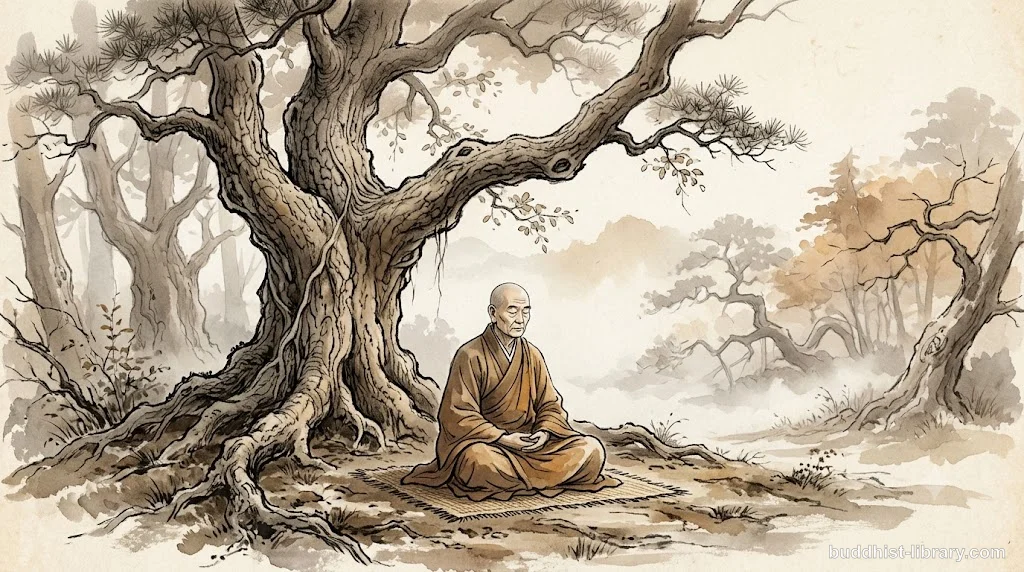
Noting practice is a modern vipassanā technique developed by Mahāsi Sayādaw in 20th-century Burma, using gentle mental labels—‘rising,’ ‘falling,’ ‘hearing,’ ‘thinking’—to sharpen moment-to-moment awareness of changing phenomena. Grounded in the Satipaṭṭhāna Sutta, it trains the mind to recognize experience without clinging, leading toward insight into impermanence, suffering, and non-self.
Most people who try meditation discover their minds won’t stay put. You sit down with good intentions, and thirty seconds later you’re planning dinner or replaying an argument. Noting practice addresses this directly: name what’s happening—“rising,” “falling,” “thinking”—and the act of naming pins attention to the present. It’s structured. It’s precise. And for many practitioners, it cuts through the vagueness that makes meditation feel like trying to grab smoke.
This isn’t an ancient technique handed down unchanged. It’s a 20th-century interpretation, developed by Mahāsi Sayādaw in Burma, of the Satipaṭṭhāna Sutta’s instruction to “know” phenomena as they occur. That honest framing matters. Noting is a modern tool, skillfully designed—not a lost secret.
What Is Noting Practice and Where Did It Come From?
Noting practice is a form of vipassanā (insight meditation) in which you apply brief mental labels to experiences as they arise. When the abdomen rises with the in-breath, you silently note “rising.” When it falls, “falling.” When a sound interrupts, “hearing.” When the mind wanders into planning, “thinking” or “planning.”
Mahāsi Sayādaw (1904–1982), a Burmese monk, systematized the technique. His lineage became one of the most influential vipassanā movements worldwide. Mahāsi teachers ground the method in the Satipaṭṭhāna Sutta (MN 10), pointing to passages like:
“When walking, he knows ‘I am walking’; when standing, he knows ‘I am standing’; when sitting, he knows ‘I am sitting’; when lying down, he knows ‘I am lying down.’”
The sutta describes knowing phenomena—awareness that recognizes what’s happening. Mahāsi Sayādaw interpreted this as applying a mental label to sharpen that recognition. The Buddha didn’t prescribe the word “noting” or specific labels, but the practice aims to fulfill the sutta’s instruction: clear, continuous awareness of body, feelings, mind, and mental qualities.
The debate: Some teachers—especially in Thai Forest and other lineages—argue that labeling adds conceptual thought between you and raw experience. Why interpose words when you’re trying to see things directly? Mahāsi teachers respond that light noting doesn’t obscure; it clarifies. The label sharpens recognition without rigidity. Both views come from people who’ve spent years on the cushion. This isn’t settled.
How Do You Practice Noting Meditation?
The Basic Method
-
Choose a primary object. In Mahāsi-style noting, the default is the rising and falling of the abdomen with each breath. (This differs from ānāpānasati, which focuses on the breath at the nostrils.)
-
Note the primary object. As the abdomen rises, silently say “rising.” As it falls, “falling.” The label should be gentle, almost whispered internally—not a forceful command.
-
Note whatever pulls your attention. When a sound arises strongly enough to dominate awareness, note “hearing.” When a thought hijacks the mind, note “thinking.” When an itch demands attention, “itching.” Then return to “rising, falling.”
-
Don’t chase everything. You’re not trying to label the entire sense-field at once. Note what’s prominent. If the abdomen is clear, stay with “rising, falling.” If a sensation becomes louder than the breath, note it, then return.
-
Walking meditation. Break each step into phases: lifting the foot (“lifting”), moving it forward (“moving”), placing it down (“placing”). This slower, segmented movement makes the noting easier to track and extends mindfulness into motion.
The Purpose of the Label
The note isn’t the point. Recognition is the point. The label helps the mind latch onto phenomena long enough to see their characteristics: they arise, they change, they vanish. Over time, this seeing—repeated thousands of times—undermines the illusion of permanence and solidity.
When noting becomes automatic, it can turn into empty repetition. Check: does the label land on the actual experience, or are you muttering words while the mind drifts? If the latter, drop the label and rest in silent observation until freshness returns.
What Should You Note?
Mahāsi teachers organize phenomena into categories, though you don’t need to memorize them rigidly:
- Physical sensations: “rising,” “falling,” “pressure,” “heat,” “tingling,” “pain,” “itching”
- Sounds: “hearing”
- Mental activity: “thinking,” “planning,” “remembering,” “imagining,” “worrying”
- Emotions: “anger,” “sadness,” “joy,” “frustration”
- Intentions: “intending to move,” “wanting to adjust”
Use simple, one-word labels when possible. “Thinking” covers most mental wandering. You’re not narrating a story (“I’m thinking about tomorrow’s meeting because I’m anxious…”). Just: “thinking.”
How Does Noting Lead to Insight?
Vipassanā means seeing clearly. Noting practice builds insight through repetition and precision:
-
Impermanence (anicca): Note “rising” and the rising vanishes. Note “falling” and it disappears. Note “hearing” and the sound is already gone. After weeks of this, the mind viscerally grasps: everything noted is already ending.
-
Suffering (dukkha): Clinging to what’s noted—trying to hold onto pleasant sensations, push away unpleasant ones—creates tension. Noting exposes this clinging in real time. You see the suffering inherent in grasping at flux.
-
Non-self (anattā): You don’t control what arises. “Thinking” appears without permission. “Pain” arrives uninvited. Noting reveals the absence of a sovereign self commanding experience.
The method doesn’t produce insight intellectually. It produces it experientially, through thousands of micro-observations that accumulate into undeniable seeing.
Common Challenges and How to Work with Them
“I can’t keep up—things happen too fast to note.”
You’re not trying to label everything. Note what’s prominent. If experience is a rapid blur, note “rushing” or “confusion,” then return to the steadier rhythm of “rising, falling.”
“Noting feels mechanical and dead.”
This happens when the label becomes habitual noise. Drop the labels temporarily. Return to silent observation. When you reintroduce noting, do it more lightly—barely a whisper.
“My mind keeps wandering even with noting.”
That’s normal, especially early on. When you realize you’ve drifted, note “thinking” or “wandering,” then return to the breath. The noticing itself—catching the drift—is progress.
“Is this just adding more thinking?”
It can be, if done heavily. Mahāsi teachers emphasize gentle noting—a light mental touch, not a shout. Done well, the note clarifies without obscuring. But if you find labeling muddies direct perception, you may prefer a silent method (many teachers offer that path).
Noting vs. Other Vipassanā Approaches
Not all vipassanā uses noting. Key alternatives:
- Silent observation (common in Thai Forest tradition): No labels. Just bare awareness of whatever arises.
- Body scanning (Goenka tradition): Systematic sweep of sensations without labeling.
- Ānāpānasati (mindfulness of breathing): Sustained attention on the breath at the nostrils, often without labels.
Noting is not superior to these. It’s one tool. Some practitioners find labels helpful; others find them intrusive. Experiment. If noting sharpens your practice, use it. If it clutters, set it aside.
Key Points
- Noting practice uses gentle mental labels (“rising,” “falling,” “hearing,” “thinking”) to anchor awareness in present-moment experience.
- The method was developed by Mahāsi Sayādaw in 20th-century Burma, grounded in the Satipaṭṭhāna Sutta’s instruction to “know” phenomena as they occur.
- The primary object is typically the abdomen’s movement with each breath, though walking meditation with noted phases (“lifting,” “moving,” “placing”) is equally central.
- Noting isn’t trying to label everything—only what’s prominent in awareness. Return to the primary object when nothing else dominates.
- The goal is insight (vipassanā): through thousands of repetitions, noting reveals impermanence, suffering, and non-self experientially, not just conceptually.
- The technique is debated: some teachers see labeling as conceptual overlay; Mahāsi teachers see it as sharpening recognition. Choose what serves your practice.
- Common pitfalls: noting becoming mechanical (drop labels temporarily), trying to note too much (note only what’s prominent), or getting lost in thought (note “thinking,” return to the breath).
Frequently Asked Questions
Is noting practice the same as what the Buddha taught?
Noting as a labeled technique is a 20th-century innovation by Mahāsi Sayādaw, though practitioners ground it in passages from the Satipaṭṭhāna Sutta where the Buddha describes knowing phenomena as they occur (e.g., “when walking, he knows ‘I am walking’”). The method interprets this as applying gentle mental labels to sharpen recognition.
Do I have to use noting, or are there other vipassanā methods?
Noting is one approach among many. Some teachers question whether labeling adds conceptual overlay; Mahāsi teachers say it sharpens recognition. Thai Forest and other lineages often emphasize silent observation without labels. Choose what supports your practice.
What do I do when my mind wanders during noting?
Note the wandering itself—“thinking,” “planning,” “remembering”—then gently return to the primary object (usually the rising and falling of the abdomen). The noting isn’t a punishment; it’s a recognition that brings you back to present-moment awareness.
How fast should I note?
Note at the pace of actual experience. Don’t rush to label everything or lag behind. When the abdomen rises, note “rising” as it happens. The label should land on the experience, not before or after.
Can I practice noting in daily life, not just sitting meditation?
Yes. Walking meditation with noting (“lifting,” “moving,” “placing”) is central to the method. Many practitioners extend noting to daily activities—“standing,” “reaching,” “opening”—to maintain continuity of awareness throughout the day.
Conclusion
Noting practice isn’t an ancient secret. It’s a modern method—Mahāsi Sayādaw’s interpretation of the Satipaṭṭhāna Sutta’s instruction to “know” experience, operationalized with labels. For many practitioners, that structure cuts through the wandering mind and builds the precision insight demands. For others, the labels feel like they’re in the way.
Neither camp is wrong. The method works when it works. If noting helps you stay present and see how things actually move—arising, changing, vanishing—it’s doing its job. If it clutters your awareness, that’s equally useful information. Try something else. Insight is the point, not allegiance to a particular technique.
Start simple. Sit. Note “rising, falling” with the breath. When the mind wanders, note “thinking” and come back. Twenty minutes a day will show you whether this approach fits. The practice teaches itself once you begin.
Read more:
- The Satipaṭṭhāna Sutta: Foundations of Mindfulness Explained — The canonical discourse that Mahāsi teachers ground noting practice in, with its instructions to know body, feelings, mind, and mental qualities as they occur.
- Vipassanā: Insight Meditation Practice in Buddhism — An overview of insight meditation methods, including noting and silent observation, and how they lead to the direct seeing of impermanence, suffering, and non-self.
- What Is Mindfulness (Sati) in Buddhism? — Understanding sati—the quality of present-moment awareness that noting practice cultivates—and its role in the Noble Eightfold Path.
📖 Source / license: Satipaṭṭhāna Sutta (MN 10), translated by Bhikkhu Bodhi. SuttaCentral.net.
Frequently asked questions
Is noting practice the same as what the Buddha taught?
Noting as a labeled technique is a 20th-century innovation by Mahāsi Sayādaw, though practitioners ground it in passages from the Satipaṭṭhāna Sutta where the Buddha describes knowing phenomena as they occur (e.g., 'when walking, he knows I am walking'). The method interprets this as applying gentle mental labels to sharpen recognition.
Do I have to use noting, or are there other vipassanā methods?
Noting is one approach among many. Some teachers question whether labeling adds conceptual overlay; Mahāsi teachers say it sharpens recognition. Thai Forest and other lineages often emphasize silent observation without labels. Choose what supports your practice.
What do I do when my mind wanders during noting?
Note the wandering itself—'thinking,' 'planning,' 'remembering'—then gently return to the primary object (usually the rising and falling of the abdomen). The noting isn't a punishment; it's a recognition that brings you back to present-moment awareness.
How fast should I note?
Note at the pace of actual experience. Don't rush to label everything or lag behind. When the abdomen rises, note 'rising' as it happens. The label should land on the experience, not before or after.
Can I practice noting in daily life, not just sitting meditation?
Yes. Walking meditation with noting ('lifting,' 'moving,' 'placing') is central to the method. Many practitioners extend noting to daily activities—'standing,' 'reaching,' 'opening'—to maintain continuity of awareness throughout the day.