mindfulness
42 related items

The Vitakkasanthāna Sutta: Five Methods for Removing Distracting Thoughts
The Buddha's practical teaching on eliminating unwholesome thoughts during meditation through five sequential strategies — from substitution to forceful suppression.

Buddhist Approach to Difficult Decisions: Wise Reflection and Discernment
Learn how Buddhist teachings on wise attention, right view, and discernment can guide you through life's toughest choices with clarity and peace.

Buddhist Approach to Gratitude: Cultivating Appreciation and Contentment
Discover how Buddhism teaches gratitude as a transformative practice—reducing craving, cultivating joy, and recognizing interdependence through mindful appreciation.

Cittānupassanā: Contemplation of Mental States in Buddhist Meditation
Learn cittānupassanā — the third foundation of mindfulness in Buddhist meditation. Understand how observing mental states develops wisdom and freedom.

Buddhist Approach to Digital Distractions: Mindfulness in the Age of Technology
Learn how classical Buddhist teachings on sense restraint and mindfulness offer practical wisdom for managing digital distractions in modern life.

Contemplating Consciousness (Viññāṇa): Awareness of Awareness in Buddhist Meditation
Learn how to practice consciousness contemplation in Buddhist meditation—the fourth foundation of mindfulness that reveals the changing nature of awareness itself.

Working with Pain in Meditation: Buddhist Approaches to Physical Discomfort
Learn how to work skillfully with physical pain during meditation using traditional Buddhist techniques from the suttas and experienced teachers.

What Is Saṃvara? The Practice of Sense Restraint in Buddhism
Saṃvara is sense restraint—guarding the six sense doors to prevent unwholesome mental states. Learn how this essential practice protects the mind and supports meditation.

Buddhist Approach to Loneliness and Solitude: From Isolation to Inner Peace
Learn how Buddhism distinguishes between painful loneliness and fruitful solitude, with practical meditation techniques to transform isolation into awakening.

Buddhist Approach to Fear and Uncertainty: Finding Courage in the Unknown
Learn how Buddhist teachings help us face fear and uncertainty through mindfulness, wise attention, and understanding the nature of change and groundlessness.

Asubha Meditation: Contemplation of the Body in Buddhist Practice
Asubha meditation is a traditional Buddhist practice that contemplates the unattractive aspects of the body to reduce attachment, lust, and clinging. Learn how this ancient technique works.

Working with Sleepiness and Dullness in Meditation: Buddhist Solutions
Learn how to overcome drowsiness and mental fog in meditation using traditional Buddhist methods from the Pali Canon and practical advice.

The Rāhula Suttas: The Buddha's Teachings to His Son
Discover the Buddha's special dharma instructions to his son Rāhula — foundational teachings on truthfulness, mindfulness of breathing, and insight into the aggregates.

What Is Appamāda? Heedfulness and Diligence in Buddhism
Explore appamāda — the Buddha's final teaching on heedfulness, diligence, and spiritual urgency. Discover how this practice transforms every moment.
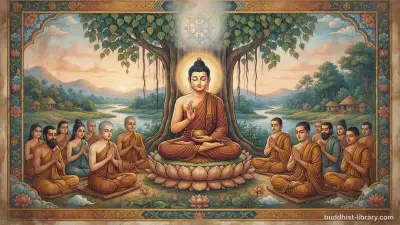
The Bhaddekaratta Sutta: The Buddha's Teaching on Living in the Present Moment
Discover the Bhaddekaratta Sutta's profound teaching on mindfulness of the present, letting go of past and future, and finding freedom right now.

Buddhist Approach to Grief and Loss: Working with Bereavement Mindfully
How Buddhist teachings on impermanence, compassion, and mindfulness offer practical guidance for working with grief, loss, and bereavement.

Buddhist Meditation Posture: Finding Stability and Ease in Sitting Practice
Master Buddhist meditation posture with this complete guide to sitting positions, postural alignment, and working with discomfort mindfully.
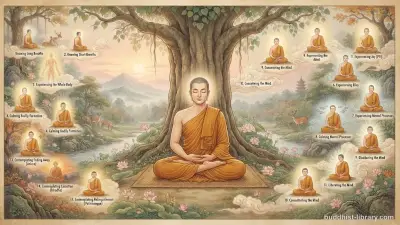
The Ānāpānasati Sixteen Steps: A Complete Practice Guide
Master all sixteen contemplations of mindfulness of breathing taught by the Buddha—a systematic meditation framework integrating body, feelings, mind, and wisdom.

Buddhist Approach to Anger: Working with Difficult Emotions
Learn practical Buddhist methods for working with anger—not suppressing or acting out, but understanding its roots and transforming it through mindfulness and wisdom.

Buddhist Approach to Anxiety and Worry: Working with Mental Restlessness
Discover how Buddhist teachings address anxiety through mindfulness, investigation, and letting go. Practical tools from early Buddhism for modern mental restlessness.

Buddhist Daily Routine: How Monks and Laypeople Structure Their Day
Discover how Buddhist monks structure their day around meditation, alms rounds, and study—and how laypeople can adapt these practices to modern life.

What Is Yoniso Manasikāra? Wise Attention in Buddhist Meditation
Discover yoniso manasikāra, the Buddha's teaching on wise attention—a transformative mental skill that shapes how you perceive experience and cultivate insight.

What Is Papañca? Understanding Mental Proliferation in Buddhism
Papañca is the mind's tendency to spin elaborate conceptual narratives from simple experiences. Learn how this Buddhist concept explains mental suffering.

Mindful Eating in Buddhism: The Practice of Taking Food with Awareness
Discover how Buddhist monks and practitioners transform eating into meditation. Learn the ancient practice of mindful eating from the Pali Canon.

The Mahāsatipaṭṭhāna Sutta: The Great Discourse on Mindfulness
The Buddha's most detailed teaching on mindfulness practice—DN 22's four foundations explained with practical guidance for meditation.
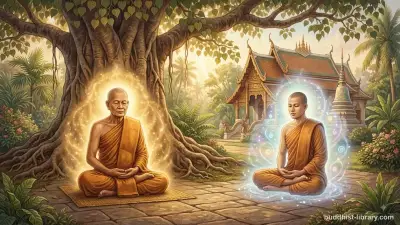
Samatha and Vipassanā: The Two Wings of Buddhist Meditation
Understand the relationship between samatha (calm) and vipassanā (insight) meditation — the two complementary practices that lead to Buddhist awakening.

Maraṇasati: Death Awareness Meditation in Buddhism
Learn how Maraṇasati, the Buddhist practice of death awareness meditation, transforms fear into wisdom and brings urgency to spiritual practice.

What Is Vedanā? Understanding Feeling in Buddhist Meditation
Vedanā—feeling-tone—is a crucial link in how suffering arises. Learn what it is, why the Buddha emphasized it, and how to work with it in meditation.

What Is Kāyagatāsati? Body Contemplation in Buddhist Meditation
Kāyagatāsati—mindfulness immersed in the body—is a powerful Buddhist meditation practice grounded in the Pali Canon. Learn its methods and benefits.

Right Mindfulness (Sammā Sati): The Seventh Factor of the Noble Path
Right Mindfulness is clear, non-judgmental awareness of present experience—the practice that unifies the entire Buddhist path toward liberation.

The Six Sense Bases (Saḷāyatana): Understanding Perception in Buddhism
How the Buddha's teaching on the six sense bases reveals the process of perception and offers a path to freedom from suffering.

The Seven Factors of Enlightenment: Cultivating the Bojjhaṅgas
Explore the Seven Factors of Enlightenment in Buddhism — mindfulness, investigation, energy, joy, tranquility, concentration, and equanimity — and how to develop them.

Walking Meditation (Caṅkama): Buddhist Practice in Motion
Discover caṅkama, the Buddha's walking meditation practice. Learn the traditional method, benefits, and how to integrate mindful walking into your daily life.

The Ānāpānasati Sutta: The Buddha's Teaching on Mindfulness of Breathing
Explore the Ānāpānasati Sutta, the Buddha's complete meditation instruction on mindfulness of breathing—sixteen contemplations leading to awakening.

The Five Hindrances (Nīvaraṇa): Overcoming Obstacles to Meditation
Understand the five hindrances in Buddhism — desire, aversion, sloth, restlessness, and doubt — and learn practical methods to overcome these obstacles to meditation and awakening.

Right Action (Sammā Kammanta): Buddhist Ethics in Body and Deed
Learn what Right Action means in Buddhism, how it differs from Right Livelihood, and practical ways to embody ethical conduct through body and deed on the Noble Path.

Vipassanā: Insight Meditation Practice in Buddhism
Learn vipassanā meditation — the Buddhist practice of direct insight into impermanence, suffering, and non-self that leads to liberation.

Right Effort (Sammā Vāyāma): The Four Right Exertions in Buddhism
Right Effort means actively preventing and abandoning unwholesome states while cultivating and maintaining wholesome ones—the Four Right Exertions that power the path.

The Satipaṭṭhāna Sutta: Foundations of Mindfulness Explained
Discover the Buddha's complete teaching on the four foundations of mindfulness from the Satipaṭṭhāna Sutta—body, feelings, mind, and mental qualities.

How to Start Buddhist Meditation: A Beginner's Guide
Learn how to start meditation the Buddhist way. Simple breath awareness, posture tips, and practical steps from traditional Buddhist teachings.

Impermanence (Anicca): Why Everything Changes
Discover the Buddhist teaching of anicca (impermanence) — why all phenomena are in constant flux and how understanding this truth leads to freedom from suffering.

What Is Mindfulness (Sati) in Buddhism?
Mindfulness (Sati) is present-moment awareness with clear comprehension. Learn what the Buddha actually taught about Sati and how to practice it.