vipassanā
9 related items

What Is Bhāvanā? Understanding Mental Development in Buddhism
Bhāvanā means mental cultivation—the systematic training of the mind through meditation and ethical practice to develop wisdom and liberation.

What Is the Difference Between Samatha and Vipassanā Meditation?
Understand the key differences between samatha (calm) and vipassanā (insight) meditation in Buddhist practice and when to use each method.

The Unity of Samatha and Vipassanā: Why Both Are Essential
Samatha and vipassanā are not competing paths but complementary practices—calm steadies the mind, insight liberates it. Discover how they work together in Buddhist meditation.

Dhamma-Vicaya: Investigation of Phenomena in Buddhist Practice
Learn dhamma-vicaya (investigation of phenomena), the second factor of enlightenment in Buddhism, and how to develop discernment through direct inquiry.

Animitta: The Signless Meditation in Buddhism
Explore animitta, the signless meditation that leads to liberation by releasing attachment to mental signs and conceptual formations in Buddhist practice.
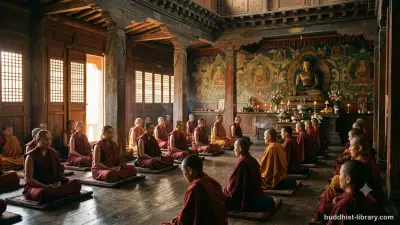
The Mahāsatipaṭṭhāna Sutta: The Great Discourse on Mindfulness
The Buddha's most detailed teaching on mindfulness practice—DN 22's four foundations explained with practical guidance for meditation.
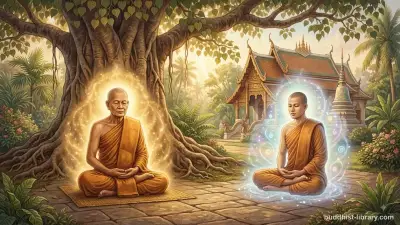
Samatha and Vipassanā: The Two Wings of Buddhist Meditation
Understand the relationship between samatha (calm) and vipassanā (insight) meditation — the two complementary practices that lead to Buddhist awakening.
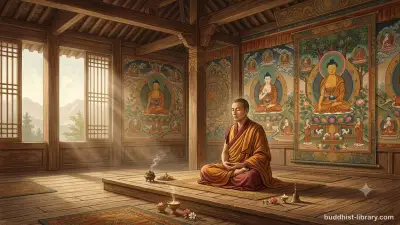
Vipassanā: Insight Meditation Practice in Buddhism
Learn vipassanā meditation — the Buddhist practice of direct insight into impermanence, suffering, and non-self that leads to liberation.
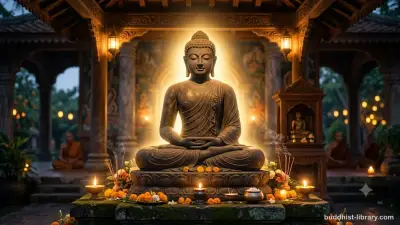
What Is Samādhi? Understanding Concentration in Buddhist Meditation
Samādhi is concentrated attention that unifies mind and object. Learn how this eighth factor of the Noble Eightfold Path develops from mindfulness to absorption.