liberation
21 related items

The Faculty of Wisdom (Paññindriya): The Crowning Spiritual Faculty
Paññindriya is the faculty of wisdom in Buddhism — the governing capacity that sees things as they truly are and leads to liberation.
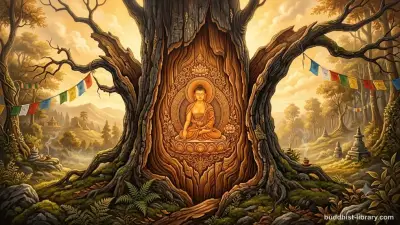
The Mahāsāropama Sutta: The Buddha's Simile of the Heartwood
The Heartwood Simile Sutta (MN 29) warns against mistaking material gains, honor, or even meditative states for liberation's true goal.

What Is Viveka? Seclusion in Buddhist Practice
Viveka means seclusion — physical withdrawal, mental detachment, and liberation from unwholesome states. Discover how the Buddha taught three forms of viveka as essential to spiritual progress.
The Cūḷadukkhakkhandha Sutta: Understanding the Mass of Suffering
Explore the Buddha's teaching on sense pleasures, their allure, dangers, and the path to freedom in this essential discourse from the Majjhima Nikāya.

The Ādittapariyāya Sutta: Why Everything Is Burning
The Buddha's Fire Sermon reveals how all experience burns with greed, hatred, and delusion—and points to the path of liberation through seeing this clearly.
The Mahānidāna Sutta: Understanding the Great Causation Discourse
The Buddha's detailed teaching on dependent origination, consciousness, and self-views in DN 15 — one of the most profound discourses in early Buddhism.
The Sāmaññaphala Sutta: The Fruits of the Contemplative Life
The Buddha's comprehensive teaching on the visible fruits of spiritual practice—from ethical conduct through meditation to liberation. Complete guide to DN 2.

What Is Āsava? The Mental Influxes in Buddhism
Understanding āsava—the deep-rooted mental influxes or cankers that sustain suffering and rebirth in Buddhist psychology.
What Is Nibbidā? Understanding Disenchantment in Buddhism
Nibbidā is disenchantment with conditioned existence—a crucial insight stage where you see through the allure of phenomena and move toward liberation.

What Is Sakadāgāmī? The Second Stage of Buddhist Awakening
Sakadāgāmī—the Once-Returner—marks the second stage of awakening. Learn what fetters are abandoned, what remains, and why this stage promises one final rebirth.

The Twelve Links of Dependent Origination: Understanding the Chain of Causation
Explore the twelve nidānas—Buddhism's profound map of how ignorance creates suffering and how breaking the chain leads to liberation.

Nirodha: Understanding Cessation — The Third Noble Truth
Explore nirodha, the Third Noble Truth of cessation. Learn what the Buddha taught about ending suffering and the path to liberation in Buddhism.

What Is Virāga? Understanding Dispassion in Buddhism
Virāga means dispassion—the fading away of attachment and craving. Learn how this essential quality leads to liberation in Buddhist practice.
Animitta: The Signless Meditation in Buddhism
Explore animitta, the signless meditation that leads to liberation by releasing attachment to mental signs and conceptual formations in Buddhist practice.
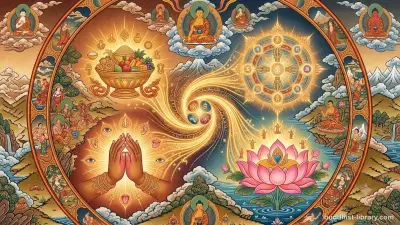
The Four Nutriments (Āhāra): What Sustains Existence in Buddhism
The Buddha identified four nutriments that sustain life and suffering. Understanding them reveals how to cut off the fuel that keeps us bound to saṃsāra.
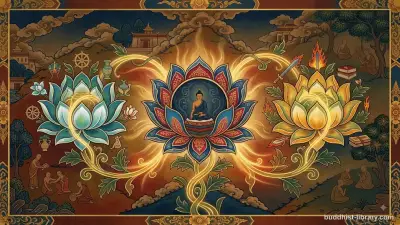
The Three Trainings in Buddhism: Sīla, Samādhi, and Paññā
The Buddha's systematic path to liberation: ethical conduct, mental concentration, and penetrative wisdom—three essential trainings for awakening.

What Is an Arahat? Understanding Full Enlightenment in Early Buddhism
Explore the Arahat—the fully enlightened being in Buddhism—who has eradicated all defilements and attained liberation. Learn the path and characteristics.
What Is Paññā? Understanding Wisdom in Buddhism
Discover Paññā—the transformative wisdom that sees reality clearly, breaks through delusion, and leads to liberation in Buddhist practice.
The Ten Fetters (Saṃyojana): Stages of Liberation in Buddhism
What are the ten fetters that bind us to suffering? Explore the Buddhist path to freedom through understanding and abandoning these mental chains.
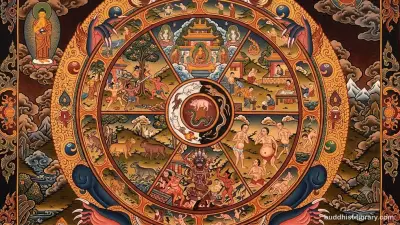
What Is Saṃsāra? The Wheel of Rebirth in Buddhism
Explore the Buddhist concept of saṃsāra—the cycle of birth, death, and rebirth driven by karma and craving. Learn how it works and how to escape it.

What Is Nirvana (Nibbāna)? Meaning and Misconceptions
Discover the true meaning of Nirvana in Buddhism — not annihilation or a heavenly realm, but the cessation of craving and the end of suffering.