Buddhist Studies
Core doctrine, key concepts, and clear, well-grounded explanations.
What Is Nibbidā? Understanding Disenchantment in Buddhism
Nibbidā is disenchantment with conditioned existence—a crucial insight stage where you see through the allure of phenomena and move toward liberation.

Hiri and Ottappa: The Two Guardians of the World in Buddhist Ethics
Understanding the Buddhist qualities of moral shame and moral dread that protect both individuals and society from ethical collapse.
What Is a Sammā-Sambuddha? Understanding the Perfectly Enlightened Buddha
Explore the meaning of Sammā-Sambuddha in Buddhism—the perfectly self-enlightened Buddha who discovers the path independently and teaches it to the world.

The Four Stages of Awakening in Theravada Buddhism
Explore the progressive path to enlightenment through the four stages of awakening—from stream-entry to full liberation as an arahat.

What Is Dhātu? The Four Elements in Buddhist Meditation
Explore the four elements (dhātu) in Buddhism—earth, water, fire, and air—and how contemplating them reveals the nature of the body and mind.

What Is Cetanā? Understanding Intention and Volition in Buddhism
Explore cetanā, the mental factor of intention that shapes karma and drives action. Learn how volition determines moral weight and liberation in Buddhist practice.

What Is Kalyāṇamitta? Understanding Spiritual Friendship in Buddhism
Discover kalyāṇamitta — spiritual friendship in Buddhism. Learn why the Buddha called good companionship 'the whole of the holy life' and how it supports awakening.

What Is Cetanā? Understanding Intention in Buddhist Karma
Cetanā (intention) is the mental factor that determines the ethical quality of actions and drives karma. Learn why the Buddha called it the key to karmic results.

What Is Sakadāgāmī? The Second Stage of Buddhist Awakening
Sakadāgāmī—the Once-Returner—marks the second stage of awakening. Learn what fetters are abandoned, what remains, and why this stage promises one final rebirth.

The Twelve Links of Dependent Origination: Understanding the Chain of Causation
Explore the twelve nidānas—Buddhism's profound map of how ignorance creates suffering and how breaking the chain leads to liberation.

What Is Bodhi? Understanding Awakening and Enlightenment in Buddhism
Bodhi means awakening—the direct realization that ends suffering. Explore the Buddha's enlightenment, the three types of bodhi, and what awakening actually means.

Nirodha: Understanding Cessation — The Third Noble Truth
Explore nirodha, the Third Noble Truth of cessation. Learn what the Buddha taught about ending suffering and the path to liberation in Buddhism.

What Is Appamāda? Heedfulness and Diligence in Buddhism
Explore appamāda — the Buddha's final teaching on heedfulness, diligence, and spiritual urgency. Discover how this practice transforms every moment.

What Is Saddhā? Understanding Faith in Buddhism
Explore saddhā—Buddhist faith rooted in verified confidence, not blind belief. Learn how trust in the Buddha's teaching develops into personal wisdom.

What Is Sakkāya-diṭṭhi? Understanding Personality View in Buddhism
Sakkāya-diṭṭhi (personality view) is the deeply rooted belief that the five aggregates constitute a permanent self. Learn how this view binds beings to suffering and how it's overcome at stream entry.

What Is Saññā? Understanding Perception in Buddhism
Saññā (perception) is how we recognize and interpret experience—and how it can trap us in delusion. Learn what the Buddha taught about this crucial aggregate.

What Is Virāga? Understanding Dispassion in Buddhism
Virāga means dispassion—the fading away of attachment and craving. Learn how this essential quality leads to liberation in Buddhist practice.

The Four Iddhipādas: Bases of Spiritual Power in Buddhism
Discover the Four Iddhipādas—desire, energy, mind, and investigation—the Buddha's teaching on developing spiritual power through balanced mental cultivation.

What Is Avijjā? The Root of Suffering in Buddhism
Avijjā (ignorance) is the fundamental delusion that drives suffering in Buddhism. Discover what it means, how it works, and how wisdom overcomes it.
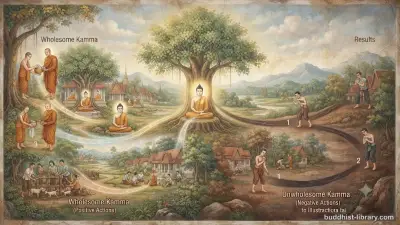
What Is Kamma-Vipāka? Understanding the Results of Karma in Buddhism
Explore kamma-vipāka—the ripening of karma—and how actions from the past shape present experiences in Buddhist teaching.

Avijjā: Understanding Ignorance as the Root of Suffering in Buddhism
Explore avijjā (ignorance) in Buddhism—the first link in dependent origination and the root cause of all suffering. Learn how ignorance operates and how to overcome it.

What Is Citta? Understanding Mind and Consciousness in Buddhism
Citta is the Pali term for mind or consciousness in Buddhism—the knowing quality that experiences all mental and physical phenomena.

The Four Nutriments (Āhāra): What Sustains Existence in Buddhism
The Buddha identified four nutriments that sustain life and suffering. Understanding them reveals how to cut off the fuel that keeps us bound to saṃsāra.

What Is Kusala and Akusala? Wholesome and Unwholesome Actions in Buddhism
Kusala and akusala are the Buddhist terms for wholesome and unwholesome mental states and actions. Understanding them is key to ethical development and liberation.

What Is Dhamma? The Buddha's Teaching and Universal Truth
Dhamma means both the Buddha's teaching and the universal law of nature. Explore the two meanings, their relationship, and why understanding Dhamma is essential.

What Is Papañca? Understanding Mental Proliferation in Buddhism
Papañca is the mind's tendency to spin elaborate conceptual narratives from simple experiences. Learn how this Buddhist concept explains mental suffering.

What Is Puñña (Merit) in Buddhism? Understanding Wholesome Actions and Their Results
Explore puñña (merit) in Buddhist teaching—how wholesome actions create beneficial results, support spiritual progress, and shape future conditions.

The Gradual Training in Buddhism: The Buddha's Step-by-Step Path
Discover the Anupubbasikkhā — the Buddha's step-by-step training path from ethical foundation through concentration to liberating wisdom.

The Five Spiritual Powers (Bala): From Faculties to Unshakable Strength
Discover the Five Spiritual Powers in Buddhism—faith, energy, mindfulness, concentration, and wisdom—that emerge when the faculties mature into unshakable forces.
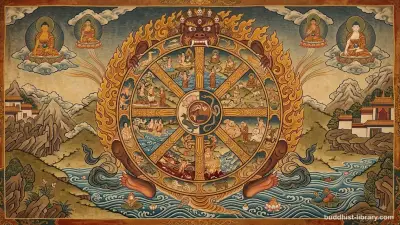
What Is Taṇhā? Understanding Craving in Buddhism
Explore taṇhā (craving) in Buddhism—the root cause of suffering identified in the Four Noble Truths and how to overcome it through mindful practice.

The Six Realms of Existence: Understanding Buddhist Cosmology
Explore the six realms in Buddhism—from celestial devas to hell beings—as both cosmological reality and psychological metaphor for understanding suffering and liberation.

The Three Trainings in Buddhism: Sīla, Samādhi, and Paññā
The Buddha's systematic path to liberation: ethical conduct, mental concentration, and penetrative wisdom—three essential trainings for awakening.

What Is an Arahat? Understanding Full Enlightenment in Early Buddhism
Explore the Arahat—the fully enlightened being in Buddhism—who has eradicated all defilements and attained liberation. Learn the path and characteristics.

What Is Paññā? Understanding Wisdom in Buddhism
Discover Paññā—the transformative wisdom that sees reality clearly, breaks through delusion, and leads to liberation in Buddhist practice.

What Is Stream Entry (Sotāpanna)? The First Stage of Buddhist Awakening
Stream entry marks the first irreversible step toward enlightenment in Buddhism—discover what it means, how it's attained, and what changes afterward.

Saṅkhāra: Understanding Mental Formations and Conditioning
Explore saṅkhāra in Buddhism—the mental formations that shape our experience, drive karma, and condition rebirth. Learn how to recognize and transform them.

What Is the Tathāgata? Understanding the Buddha's Self-Reference
Explore the meaning of Tathāgata, the term the Buddha used to refer to himself, and what it reveals about awakening and the nature of reality.

The Ten Fetters (Saṃyojana): Stages of Liberation in Buddhism
What are the ten fetters that bind us to suffering? Explore the Buddhist path to freedom through understanding and abandoning these mental chains.

What Is Vedanā? Understanding Feeling in Buddhist Meditation
Vedanā—feeling-tone—is a crucial link in how suffering arises. Learn what it is, why the Buddha emphasized it, and how to work with it in meditation.

The Five Spiritual Faculties (Indriya): Faith, Energy, Mindfulness, Concentration, Wisdom
Discover the five spiritual faculties in Buddhism — faith, energy, mindfulness, concentration, and wisdom — and how they work together to transform the mind.

The Three Poisons: Greed, Hatred, and Delusion in Buddhism
Understand the three poisons—greed, hatred, and delusion—the root causes of suffering in Buddhism and how to overcome them through practice.

The Six Sense Bases (Saḷāyatana): Understanding Perception in Buddhism
How the Buddha's teaching on the six sense bases reveals the process of perception and offers a path to freedom from suffering.

Upādāna: Understanding the Four Types of Clinging in Buddhism
Explore the four types of clinging (upādāna) in Buddhism — sensual desire, views, rites and rituals, and self-doctrine — and how they perpetuate suffering.

The Ten Perfections (Pārami): Qualities to Cultivate on the Path
Explore the Ten Perfections (Pārami) in Buddhism—essential virtues that transform ordinary life into the path to awakening, grounded in canonical texts.

Right Intention (Sammā Saṅkappa): The Second Factor of the Noble Eightfold Path
Discover Right Intention in Buddhism—the mental compass directing wholesome action through renunciation, goodwill, and harmlessness.

The Seven Factors of Enlightenment: Cultivating the Bojjhaṅgas
Explore the Seven Factors of Enlightenment in Buddhism — mindfulness, investigation, energy, joy, tranquility, concentration, and equanimity — and how to develop them.

What Is Saṃsāra? The Wheel of Rebirth in Buddhism
Explore the Buddhist concept of saṃsāra—the cycle of birth, death, and rebirth driven by karma and craving. Learn how it works and how to escape it.

What Is the Saṅgha? The Buddhist Community and Its Role
The Saṅgha is the Buddhist community of ordained monks and nuns, and in a broader sense, all followers of the Dharma. Discover its purpose and meaning.

The Three Refuges (Tisaraṇa): Taking Refuge in Buddha, Dhamma, Sangha
The Three Refuges — Buddha, Dhamma, Sangha — are the foundation of Buddhist practice. Learn what taking refuge means and how it shapes the path.

What Is Dukkha? Understanding Suffering in Buddhism
Dukkha means more than suffering—it includes dissatisfaction, stress, and the unsatisfactory nature of all conditioned existence. Learn what the Buddha really taught.

The Middle Way in Buddhism: Walking Between Extremes
The Middle Way is the Buddha's rejection of extremes — neither self-indulgence nor self-torture. Learn what it means and how it guides Buddhist practice today.

Right View (Sammā Diṭṭhi): The Foundation of the Buddhist Path
Right View is the first factor of the Noble Eightfold Path and the foundation for all Buddhist practice. Learn what the Buddha taught about seeing reality clearly.

The Five Aggregates (Khandhas): What We Mistake for 'Self'
Understand the Five Aggregates (khandhas) in Buddhism—the building blocks of experience that we wrongly identify as a permanent self.
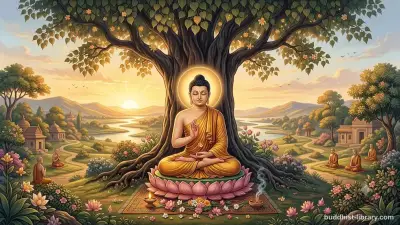
The Life of the Buddha: From Prince Siddhārtha to Awakening
Explore the remarkable journey of Prince Siddhārtha Gotama from sheltered royal life to spiritual awakening, discovering the path that changed world history.
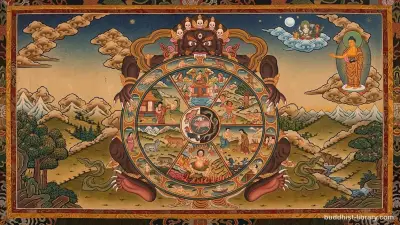
Karma and Rebirth in Buddhism: How They Actually Work
Learn the Buddha's teaching on karma and rebirth—how intentional actions shape future experiences and why understanding this transforms practice.

The Three Marks of Existence: Understanding Reality in Buddhism
Explore the Three Marks of Existence (Tilakkhaṇa) — impermanence, suffering, and non-self — the Buddha's core insight into the nature of all conditioned phenomena.

What Is Nirvana (Nibbāna)? Meaning and Misconceptions
Discover the true meaning of Nirvana in Buddhism — not annihilation or a heavenly realm, but the cessation of craving and the end of suffering.

Anattā (Non-Self): What the Buddha Really Meant
Explore the Buddha's teaching on anattā (non-self) — not 'no self exists,' but a profound insight into what we mistake as 'me' and the path to freedom from suffering.

Impermanence (Anicca): Why Everything Changes
Discover the Buddhist teaching of anicca (impermanence) — why all phenomena are in constant flux and how understanding this truth leads to freedom from suffering.

What Is Dependent Origination (Paṭiccasamuppāda)?
Dependent Origination explains how suffering arises and ceases through twelve interconnected links. Discover the core Buddhist teaching on causality.

The Four Noble Truths: The Heart of the Buddha's Teaching
A clear guide to the Four Noble Truths — suffering, its origin, its cessation, and the path — the framework at the center of everything the Buddha taught.

The Noble Eightfold Path: A Complete Guide to Buddhist Practice
Discover the Noble Eightfold Path, the Buddha's practical roadmap to ending suffering. Learn how Right View, Right Intention, and six other factors work together.