early buddhism
27 related items

The Attadaṇḍa Sutta: The Buddha's Teaching on Violence and Peace
The Attadaṇḍa Sutta shows how the Buddha observed violence everywhere, felt fear, and found the path to peace through non-violence and relinquishing harm.
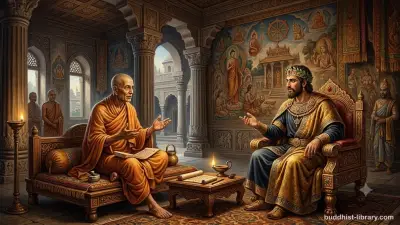
The Milindapañha: Questions of King Milinda and Nāgasena's Answers
Explore the Milindapañha, an ancient Buddhist dialogue between Greek King Milinda and monk Nāgasena on non-self, rebirth, and the nature of reality.
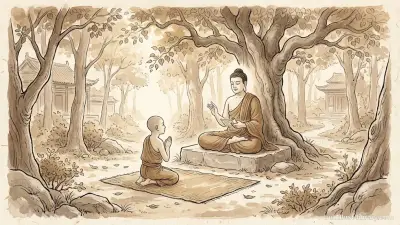
What Is Upāya? Understanding Skillful Means in Buddhist Teaching
Upāya (skillful means) describes how teachers adapt the Dharma to each student's capacity. The Buddha practiced it throughout the Pali Canon; Mahāyāna Buddhism named and systematized it.

The Khaggavisāṇa Sutta: Going Forth Alone Like a Rhinoceros Horn
The Rhinoceros Horn Sutta teaches solitary practice and spiritual independence through vivid imagery from early Buddhism's wandering ascetics.

The Ādittapariyāya Sutta: Why Everything Is Burning
The Buddha's Fire Sermon reveals how all experience burns with greed, hatred, and delusion—and points to the path of liberation through seeing this clearly.
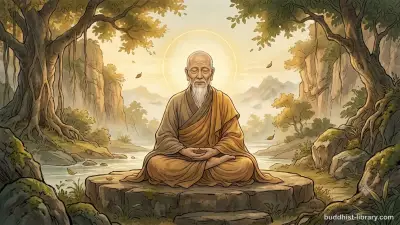
The Soṇadaṇḍa Sutta: What Makes a True Brahmin?
Discover the Buddha's teaching on true spiritual nobility—where birth matters less than ethical conduct, wisdom, and genuine moral development.

The Gārava Sutta: The Buddha's Teaching on Respect and Reverence
Explore the Gārava Sutta (SN 6.2), where the Buddha explains to Brahmā why even the fully enlightened need reverence — and what that means for practice.
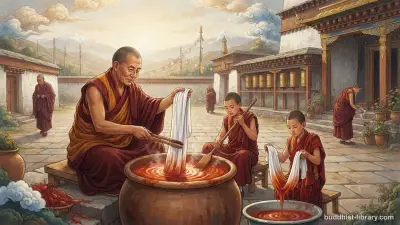
The Vatthūpama Sutta: The Simile of the Cloth and Purification of Mind
The Buddha's teaching on mental purification through the simile of dyeing cloth—understanding the sixteen defilements and the path to inner cleansing.

What Is Phassa? Understanding Contact in Buddhist Psychology
Phassa (contact) is the meeting point where sense organ, object, and consciousness unite—triggering the entire chain of experience, craving, and suffering.

What Is Saṅkhata and Asaṅkhata? Understanding Conditioned and Unconditioned Reality in Buddhism
Saṅkhata refers to all conditioned phenomena that arise and pass. Asaṅkhata is the unconditioned — Nibbāna. This distinction shapes Buddhist practice and liberation.
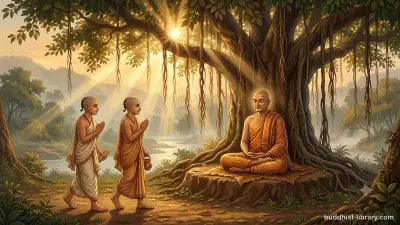
The Tevijja Sutta: The Three Knowledges and the Path to Brahmā
Discover the Buddha's teaching to two young brahmins on the true path to union with Brahmā through loving-kindness, compassion, and wisdom—not ritual knowledge.

The Cūḷahatthipadopama Sutta: The Shorter Elephant Footprint Simile Explained
Explore the Cūḷahatthipadopama Sutta, where the Buddha uses an elephant's footprint to explain how the Four Noble Truths encompass all Buddhist teachings.

The Khuddaka Nikāya: The Buddha's 'Minor Collection' Explained
Explore the Khuddaka Nikāya, the fifth and most diverse collection of the Pali Canon, containing beloved texts like the Dhammapada and Jātaka Tales.

The Dīgha Nikāya: The Buddha's Long Discourses Explained
Discover the Dīgha Nikāya, the collection of the Buddha's longest and most detailed teachings covering meditation, ethics, cosmology, and the path to liberation.
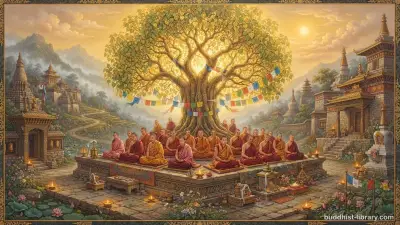
The Theragāthā and Therīgāthā: Enlightenment Verses of the First Buddhist Disciples
Discover the Theragāthā and Therīgāthā—ancient poems by enlightened monks and nuns revealing their struggles, insights, and joy of liberation.

The Aṅguttara Nikāya: The Buddha's Numerical Discourses Explained
Explore the Aṅguttara Nikāya, one of the five major collections of the Pali Canon, organized by number from ones to elevens for easy memorization.

The Sutta Nipāta: Ancient Buddhist Poetry and Wisdom
Discover the Sutta Nipāta, one of Buddhism's oldest texts. Explore its five chapters, profound verses, and timeless teachings on liberation.

The Saṃyutta Nikāya: Connected Discourses of the Buddha Explained
Discover the Saṃyutta Nikāya, the third major collection of the Buddha's teachings organized by theme—covering the Four Noble Truths, dependent origination, and the path.

The Girimānanda Sutta: Ten Perceptions for Healing and Liberation
The Buddha taught ten powerful perceptions to heal the gravely ill monk Girimānanda. Discover how these meditation practices lead to both physical recovery and spiritual awakening.
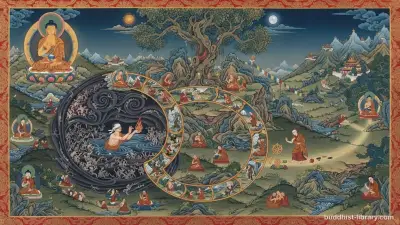
Avijjā: Understanding Ignorance as the Root of Suffering in Buddhism
Explore avijjā (ignorance) in Buddhism—the first link in dependent origination and the root cause of all suffering. Learn how ignorance operates and how to overcome it.
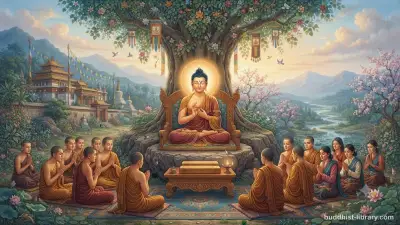
The Itivuttaka: The Buddha's 'Thus Said' Teachings Explained
Explore the Itivuttaka, a collection of 112 short discourses where the Buddha delivers profound teachings on meditation, ethics, and liberation.
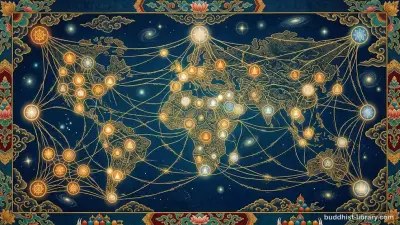
The Brahmajāla Sutta: The All-Embracing Net of Views Explained
The Buddha's systematic deconstruction of 62 philosophical views in the Brahmajāla Sutta—the first discourse of the Dīgha Nikāya and a masterwork of early Buddhist thought.
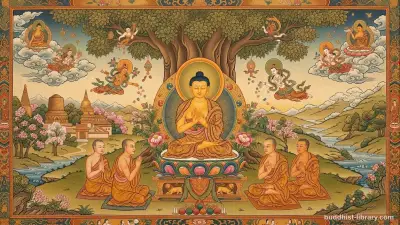
The Anattālakkhaṇa Sutta: The Buddha's Second Sermon on Non-Self
The Buddha's second sermon after enlightenment, teaching the five aggregates as not-self. A foundational scripture explaining anattā through direct analysis.
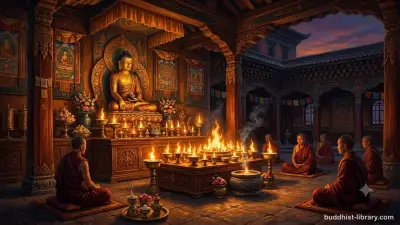
The Fire Sermon: The Buddha's Teaching on Burning and Liberation
The Ādittapariyāya Sutta, or Fire Sermon, uses fire as a powerful metaphor for craving. Discover how the Buddha taught 1,000 fire-worshippers to see liberation.

The First Sermon: The Dhammacakkappavattana Sutta Explained
The Buddha's first teaching at Deer Park — the Four Noble Truths, the Middle Way, and the discourse that set the Wheel of Dhamma in motion.

What Is the Pali Canon (Tipiṭaka)? Structure and Contents of Early Buddhist Scriptures
Discover the Pali Canon—the oldest complete collection of the Buddha's teachings. Learn the structure of the Tipiṭaka, its three baskets, and how to navigate early Buddhist scriptures.

What Is Dependent Origination (Paṭiccasamuppāda)?
Dependent Origination explains how suffering arises and ceases through twelve interconnected links. Discover the core Buddhist teaching on causality.